
A Day in the Life of Chef D.J. Mendivel: Behind the Scenes
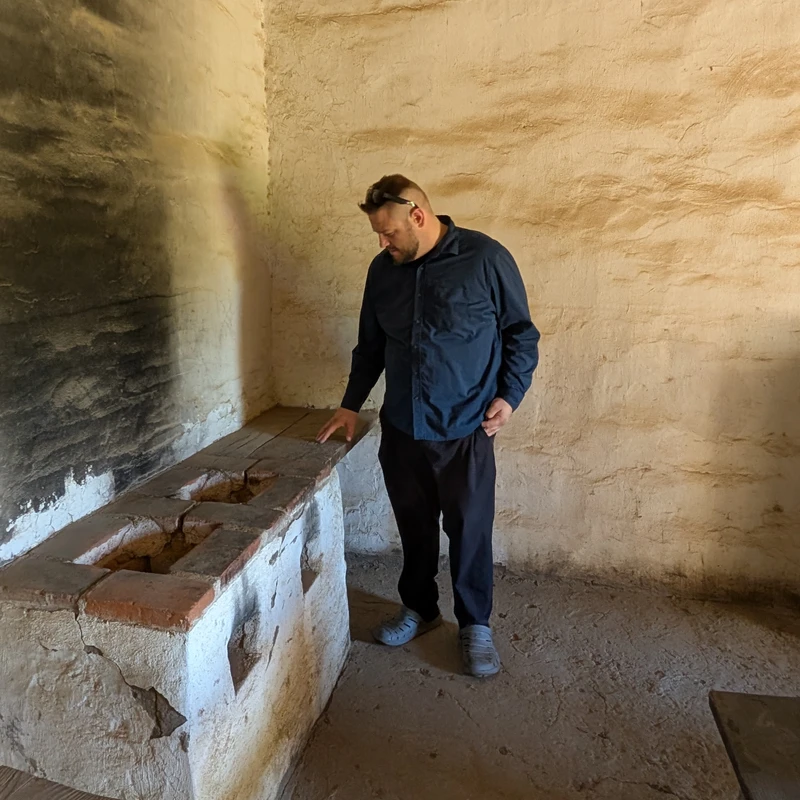
Guests usually remember the beautiful spread, the smooth timing, and the feeling that everything simply worked. What they rarely see is the discipline required to make that moment feel effortless. A professional catering service is built on long hours, layered preparation, fast judgment, and a calm presence that holds steady even when the schedule tightens. For Chef D.J. Mendivel, the day is not just about cooking well. It is about creating an experience where hospitality, logistics, and flavor move together without friction.
That is what makes the work at Bend Catering Services | Chef Mendivel so interesting to watch up close. A strong catering service is never only about recipes; it is about planning, restraint, adaptability, and the ability to serve people with real care. From the first checklist in the morning to the final breakdown after the event, every hour has a purpose.
Before Sunrise: Reading the Day Correctly
The work begins long before the first pan is hot. On an event day, the earliest task is not cooking at all. It is reading the event correctly. Guest count, service style, venue conditions, dietary needs, setup access, timeline shifts, and weather risks all shape the day ahead. Chef D.J. Mendivel has to understand not only what is being served, but how the entire event will unfold in real time.
The event brief comes first
Every successful service starts with details that may seem small on paper but become crucial later. Is the event plated, buffet, family-style, or reception-based? Will there be speeches that delay service? Is the kitchen fully equipped, partially usable, or nonexistent? These questions affect staffing, packing, sequencing, and plating strategy. By the time the day begins, the chef needs a mental map of the whole event, not just a menu.
Timing is a culinary skill
One of the least glamorous and most important parts of the job is time management. A protein can be perfectly seasoned and beautifully cooked, but if it is held too long, rushed to the venue, or plated under poor timing, the result suffers. Chef Mendivel's day is structured around timing windows: prep windows, holding windows, transport windows, and service windows. This is what separates polished execution from food that feels disconnected from the moment it is served.
Morning Prep: Ingredients, Precision, and Restraint
Once the day is mapped out, the kitchen moves into active preparation. This is where the public image of the chef begins to resemble reality: knives moving, pans heating, lists being checked, and ingredients being transformed from raw components into a coordinated event menu. Yet the strongest kitchens are not chaotic. They are controlled. Morning prep is less about speed for its own sake and more about exactness.
Choosing ingredients with the event in mind
Not every ingredient behaves the same way in event service. Some products shine when served immediately but lose quality fast. Others travel well, hold elegantly, and still arrive with freshness and texture intact. A chef working in catering has to think beyond flavor alone. The dish must survive prep, packing, transport, setup, and service while still feeling intentional on the plate. That kind of judgment comes from experience, not guesswork.
Prep without waste
Good catering kitchens do not confuse abundance with carelessness. They prepare thoroughly, but they do not overwork every item or produce unnecessary waste. Proteins are trimmed with purpose. Sauces are built for consistency. Garnishes are selected because they belong, not because they fill space. Chef D.J. Mendivel's behind-the-scenes discipline is visible here: the goal is to build a menu that feels generous while remaining organized, efficient, and respectful of the ingredients.
At this stage, mise en place is everything. Before a team leaves for a venue, the kitchen needs confidence that the essentials are already locked in:
Core ingredients prepped, labeled, and stored correctly
Hot and cold holding plans confirmed
Dietary accommodations clearly separated
Serving pieces and plating tools packed
Backup supplies ready for minor surprises
Menu Decisions That Go Beyond Taste
A strong event menu does more than sound appealing. It must make sense in motion. It has to feel right for the occasion, satisfy a broad range of guests, and still remain executable under event conditions. This is where the chef's role expands beyond cooking and becomes a form of practical design.
Balancing elegance with reality
Some dishes are perfect in a restaurant setting but awkward in large-format service. Others may seem simple on paper but perform beautifully at an event because they hold well, plate cleanly, and remain vivid in flavor. Chef Mendivel's work behind the scenes involves choosing dishes that can deliver both pleasure and stability. The best menu is not the one with the most complicated techniques. It is the one that stays excellent from kitchen to guest.
Making room for different needs
Modern events often require thoughtful accommodations. Vegetarian, gluten-aware, dairy-free, and other considerations are no longer side notes; they are part of the planning. Handling them well means more than offering an alternative plate. It means building inclusivity into the event without making any guest feel secondary. That takes organization, clear labeling, and kitchen discipline at every stage.
In practical terms, menu design often follows a sequence like this:
Define the tone of the event. Formal dinner, relaxed celebration, outdoor gathering, or business occasion.
Match dishes to the service style. Buffet, plated service, stations, or passed bites each demand different structures.
Check venue limits. Power, refrigeration, prep space, and access affect what is truly feasible.
Build for consistency. Every guest should receive the same level of care, not a lucky version of the dish.
The Kitchen as a Working System
One of the most revealing parts of a chef's day is seeing how much of the work depends on systems rather than dramatic moments. People often imagine breakthrough dishes or last-minute heroics. In reality, excellent catering is usually the result of quiet order. Labels are readable. Equipment is where it should be. Roles are understood. Nothing important is left vague.
Leadership without noise
In a catering kitchen, the chef sets the tone. That does not always mean speaking the loudest. Often it means making decisions early, communicating clearly, and keeping the team focused when the pace intensifies. Calm leadership matters because event work rarely offers the luxury of delay. When service time approaches, hesitation is more dangerous than effort.
Quality control in every phase
Tasting, checking textures, confirming temperatures, adjusting seasoning, and verifying portions all happen before guests arrive. The public sees the finished meal, but the real standard is established in advance. At Bend Catering Services | Chef Mendivel, the quality of the event depends on these checks being routine rather than occasional. Professionalism in this setting means doing the right small things every time.
Even before departure, the kitchen is balancing multiple priorities at once:
Phase | Main Focus | Why It Matters |
Pre-prep | Review menu, counts, and timing | Prevents avoidable mistakes later |
Production | Cook core items and build components | Creates consistency across service |
Packing | Label, organize, and secure equipment | Protects quality during transport |
Onsite setup | Position stations and finalize service flow | Sets the tone for guest experience |
Service | Plate, replenish, and adjust in real time | Keeps the event feeling seamless |
Leaving the Kitchen: Transport and Venue Setup
There is a turning point in every event day when the kitchen work has to travel. This is where catering becomes especially demanding. Food that looked perfect in prep must now survive movement, temperature shifts, space limits, and venue timing. Delivery is not a simple handoff. It is part of the culinary process.
Packing is part of cooking
Hot foods need to stay hot. Cold foods need to stay cold. Delicate items need protection from jostling and compression. Sauces, garnishes, finishing salts, utensils, linens, and serving ware all have to arrive in the right place at the right moment. A missing spoon or a forgotten lighter may sound minor, but in event service, tiny oversights multiply quickly. Strong chefs learn to treat transport with the same seriousness as seasoning.
The venue walk-through matters
Once onsite, the chef's job becomes partly operational. Where is the plating area? How far is the service route? Where do staff enter and exit? What needs to be set before guests gather? A quick walk-through can reveal whether the plan still holds or needs adjusting. Outdoor conditions, room temperature, power limitations, and event flow can all influence final decisions.
This phase also requires close coordination with anyone handling rentals, decor, or event management. The chef's work is interconnected with the entire room. If a service station is blocked, if the timeline moves, or if guest arrival changes, the kitchen has to respond smoothly.
Service Hour: Precision Under Pressure
When guests begin arriving, all of the hidden structure behind the day is tested. Service is where preparation becomes visible. It is also where the chef has to think in several directions at once: food quality, pace, guest comfort, team communication, and event timing. The best event service feels calm because someone is actively preventing disorder before it becomes noticeable.
Reading the room in real time
A wedding reception, a private dinner, and a corporate event each move differently. Guests linger, speeches run long, bars create traffic, and weather may change the rhythm of an outdoor gathering. Chef D.J. Mendivel's role during service is not only to send food out. It is to read the room and adjust without letting the event lose shape. A dish may need to be held slightly longer, refreshed at the last minute, or sent in a new sequence to suit the moment.
Solving problems quietly
Some of the strongest work in catering is the work guests never notice. A garnish needs to be replaced. A serving utensil disappears. A tray arrives sooner than expected. A special plate needs to be redirected to the right guest. None of these moments should feel dramatic to the room, and that is exactly the point. Professional service is defined by how effectively challenges are absorbed without creating tension for the host or guests.
During active service, the chef is usually tracking several invisible questions at once:
Are food temperatures holding correctly?
Is the pacing matching the room?
Are special meals clearly identified and protected?
Does the next course need to move sooner or later?
Is the final presentation still reflecting the original standard?
After the Last Plate: Breakdown, Cleanup, and Reflection
Many people think the work ends when dessert is served or the buffet winds down. In reality, another major phase begins. Equipment has to be gathered, leftovers handled safely, stations broken down, and the venue left in proper order. The final hour of a chef's day often demands as much professionalism as the first.
Clean execution to the end
Breakdown is not glamorous, but it is part of the craft. Surfaces must be cleared, tools sorted, rentals separated, waste managed appropriately, and transportation repacked with care. A team that finishes well protects both the venue relationship and the integrity of the business. Clean exits matter. They show respect for the event space and for the standards the chef claims to uphold.
The quiet debrief
After the rush, there is usually a period of assessment. What worked especially well? Did the timeline hold? Were portions right? Did any dish need refinement? These are not dramatic postmortems. They are the practical habits that make future events stronger. In serious kitchens, improvement is not reserved for failure. It is part of every event, even successful ones.
For Chef Mendivel, this reflective piece is part of what gives the work depth. Catering is temporary by nature; the meal happens, and then it is gone. What remains is the standard built from one event to the next.
What Guests Feel, Even If They Never See It
The behind-the-scenes work of a chef rarely gets applause in its full form, yet guests feel its impact immediately. They notice when service flows naturally. They notice when the food arrives as it should. They notice when a room feels cared for rather than merely supplied. Even without seeing the prep lists, the transport racks, the timing calculations, or the final wipe-down, they experience the result of those choices.
Hospitality is built from details
Real hospitality is not a vague mood. It is created through practical decisions made well: serving at the right temperature, honoring dietary needs gracefully, keeping the room moving, and presenting food with intention. These choices make an event feel personal rather than mechanical. They are also the reason a chef-led operation stands out from one that treats food as a side task.
Why this work deserves attention
There is something compelling about seeing how much thought supports a single meal. The polished event is only the visible surface. Underneath it are discipline, experience, physical effort, and judgment built over time. Bend Catering Services | Chef Mendivel reflects that reality in a way that feels grounded: not flashy for the sake of appearance, but careful where it counts.
The Real Story Behind a Catering Service
A day in the life of Chef D.J. Mendivel is a reminder that a catering service succeeds long before guests take the first bite. It succeeds in the planning, in the ingredient choices, in the steady leadership of the kitchen, in the precision of transport, and in the poise required during service itself. What looks effortless from the outside is, in truth, the product of concentration and craft.
That is the real behind-the-scenes story. Great events do not happen by accident, and memorable food is rarely just about the plate alone. It is about care carried through every stage of the day. When a chef can do that consistently, the result is more than a meal. It is an experience that feels complete, generous, and professionally held from beginning to end.
Comments